EN
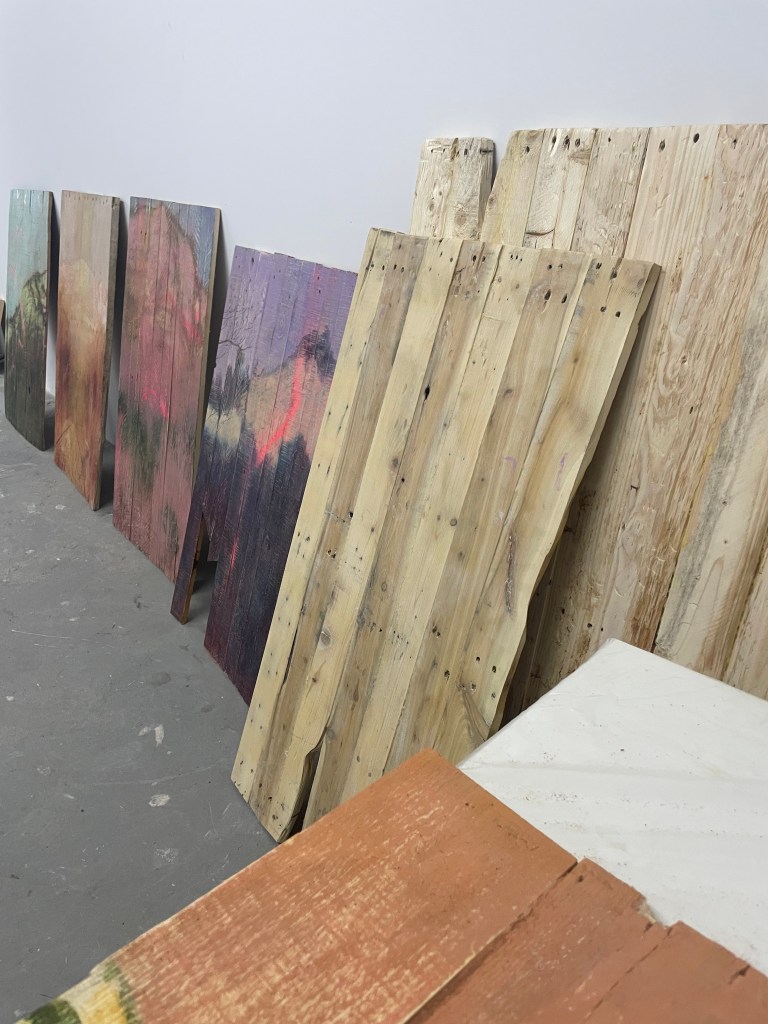
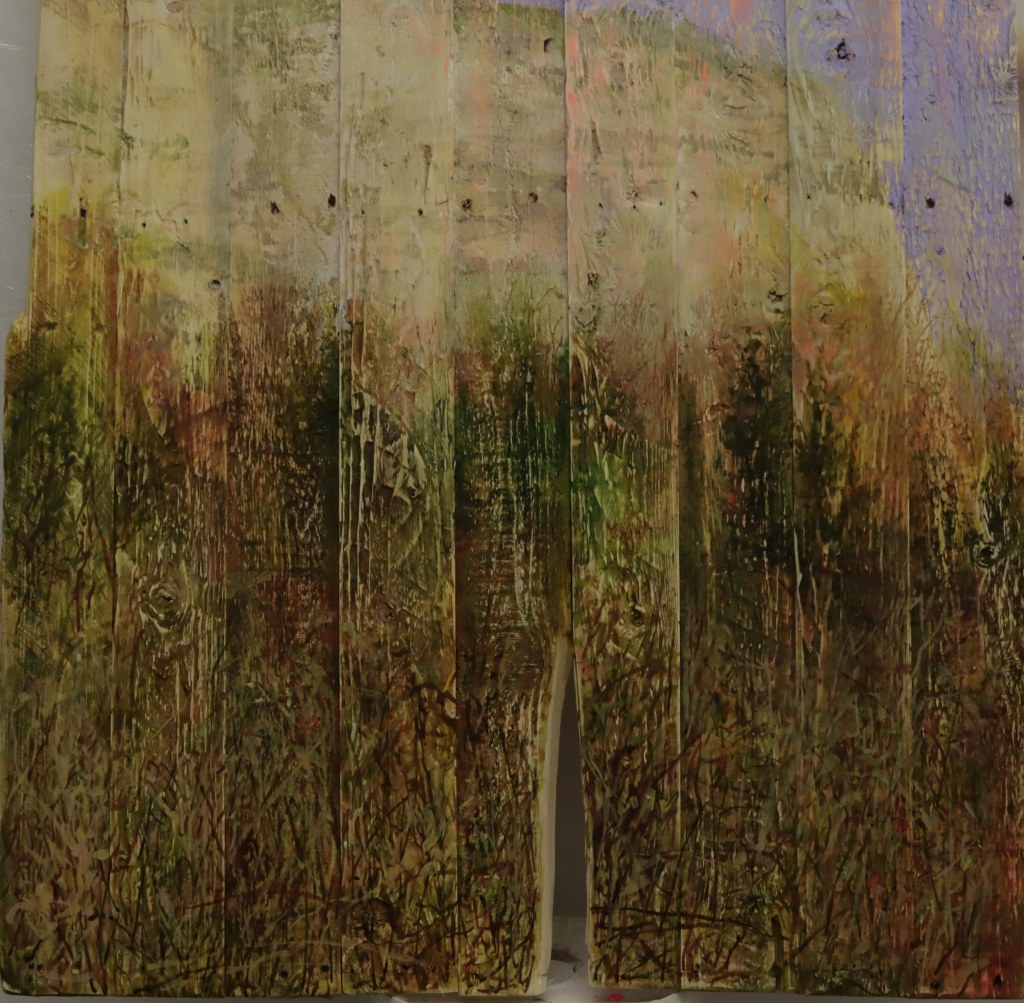
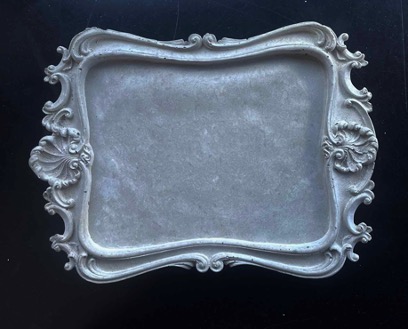
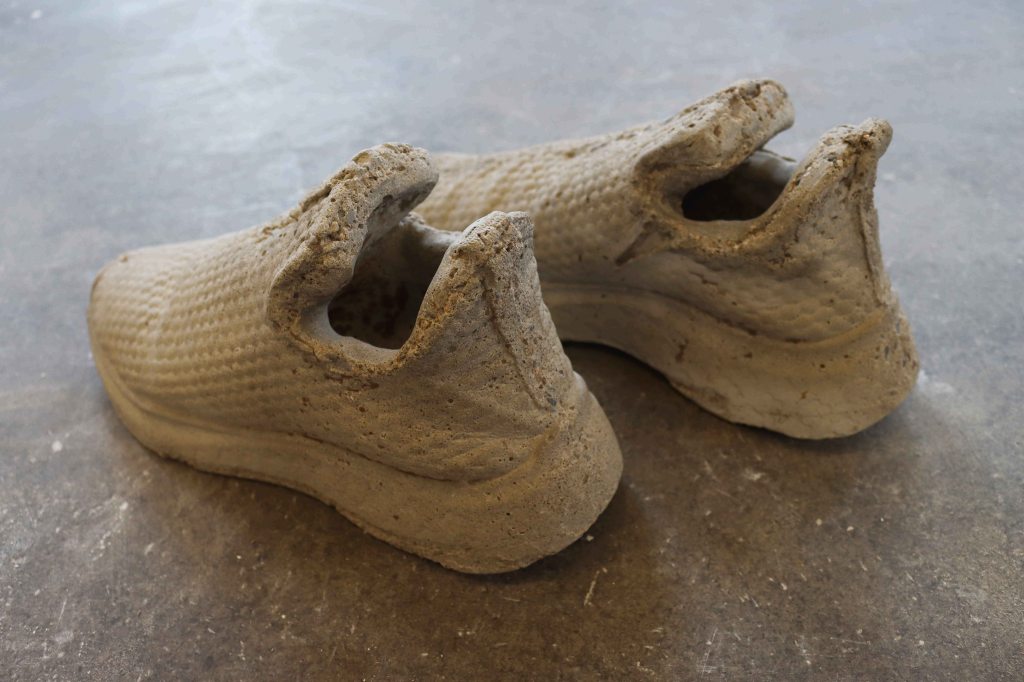
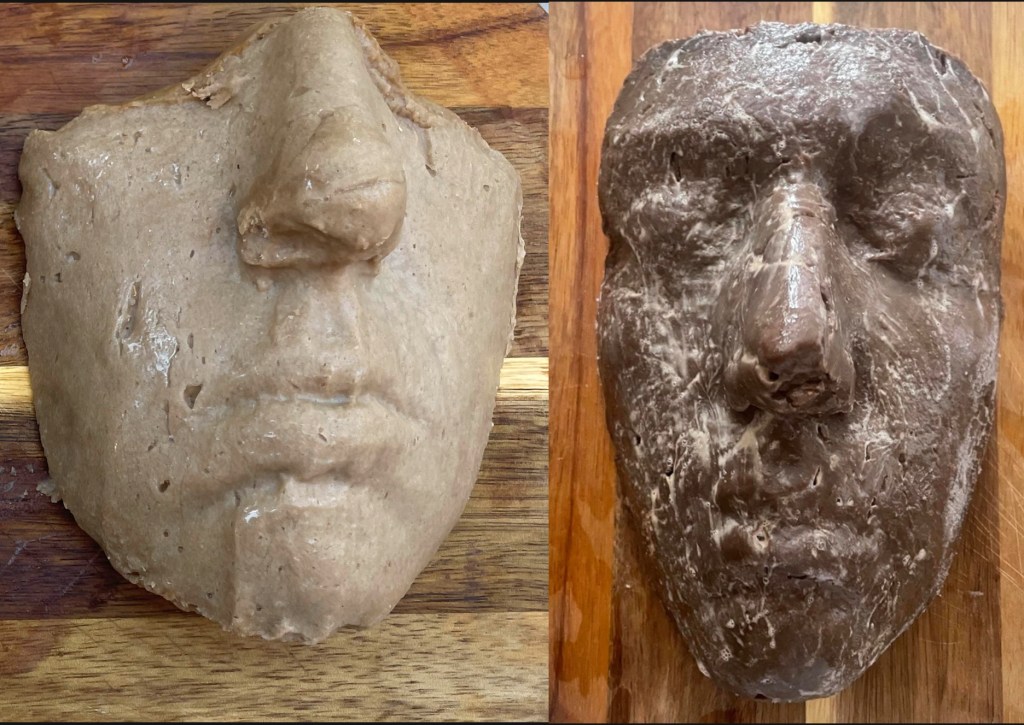
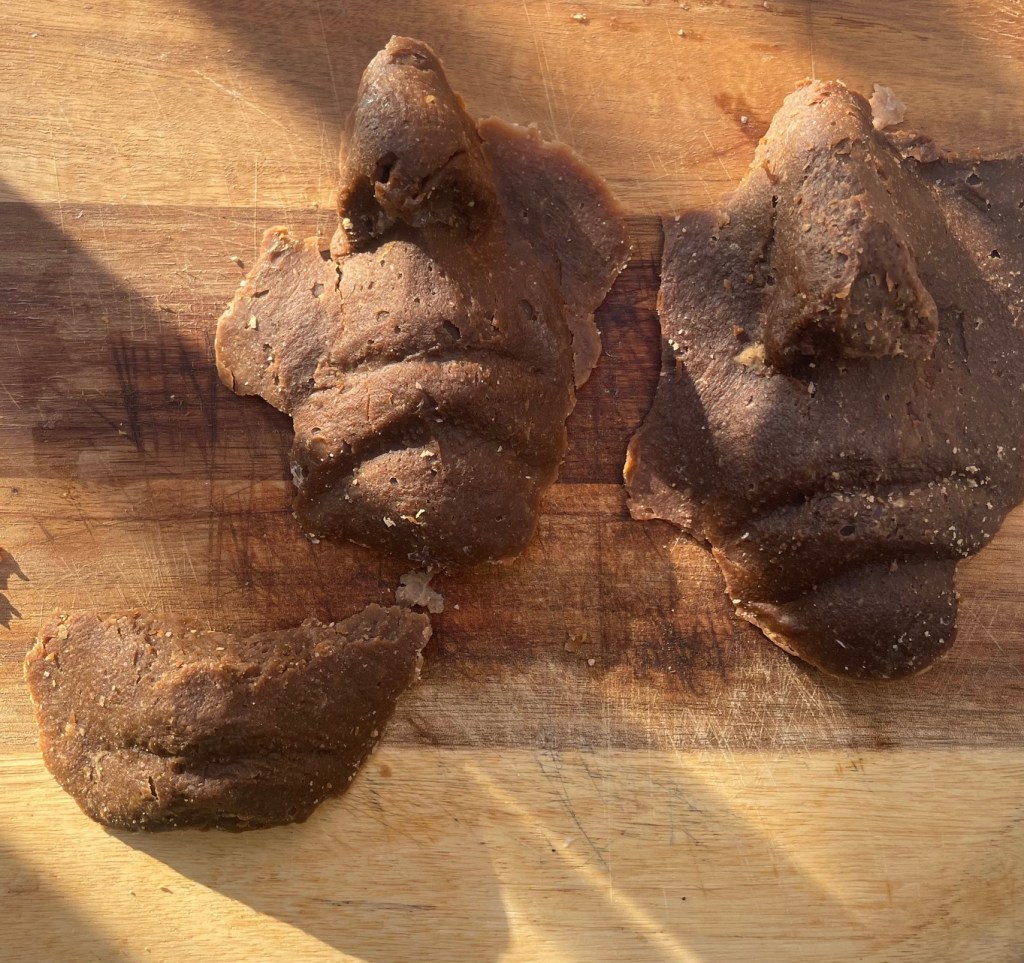
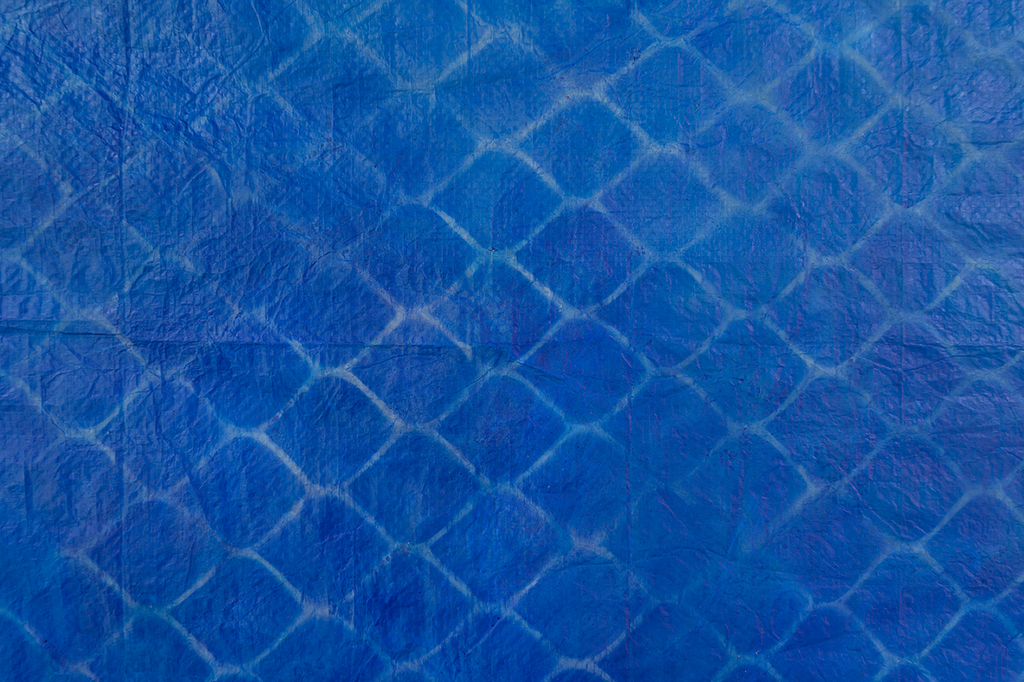
For the past three years, I have been examining the border as an agent of transformation and the creation of new landscapes, particularly through its dynamics concerning migratory movements. I am interested in the underlying causes of migratory waves, a phenomenon often treated as an isolated subject, detached from its historical, economic, and political context. This body of work is the result of two research residencies: a six-week research residency focused on the French-British border, and another in Southern Québec close to the Canada-U.S. border. This body of work explores the modest or recycled materiality derived from the everyday lives of people in motion, as well as the landscape they traverse. The project explores the modest or recycled materiality derived from the everyday lives of people in motion, as well as the landscape they inhabit, through elements such as tarps and transport pallets. It also examines the visual representation of a frozen movement; to achieve this, I have used concrete and stop motion.
Borders are not merely lines separating territories; they are interfaces of power that reshape the lives, bodies, and narratives of those they circumscribe. Like an elastic element, the border continues to affect the displaced body long after it has been crossed. By imposing control over movement, borders erase, render invisible, and fragment the trajectories, stories, and futures of exiles. Through a metaphorical vocabulary, this body of work examines the tension between the border-space and the body rendered illegal, a process in which the human is dehumanized through the imposition of identity and legal status.
The first phase of this body of work has been presented in the fall of 2025, at Galerie B-312, in Montréal.
A second chapter of this research is currently underway as part of the Intersection Residency. The work resulting from this research will be presented in Autumn 2026 at Optica Center in Montréal, and will also be included in a collective project at Espace Adélard in Frelighsburg.
FR
Depuis trois ans, j’examine la frontière en tant qu’agent de transformation et de formation de nouveaux paysages, notamment à travers sa dynamique vis-à-vis des mouvements migratoires. Je m’intéresse aux causes profondes des vagues migratoires, un phénomène souvent traité comme un sujet isolé, détaché de son contexte historique, économique et politique. Ce corpus est ancré dans deux résidences de recherche : l’une autour de la frontière Franco-britannique, et une autre au sud du Québec proche de la frontière entre le Canada et les États-Unis. Ce corpus explore la matérialité modeste ou recyclée issue des vies quotidiennes des personnes en mouvement, ainsi que les paysages qu’elles traversent. Ce travail s’intéresse également à la matérialité modeste ou recyclée des éléments tels que les bâches et les palettes de transport, qui témoignent des environnements qu’elles habitent. Il examine en outre la représentation visuelle d’un mouvement figé ; pour atteindre cet objectif, j’ai utilisé du béton et la technique d’animation image par image.
Les frontières ne sont pas de simples lignes séparant des territoires : elles sont des interfaces de pouvoir qui reconfigurent les vies, les corps et les récits de ceux qu’elles circonscrivent. Comme un élément élastique, la frontière continue d’affecter le corps déplacé bien après son franchissement. En imposant un contrôle sur le mouvement, elles effacent, rendent invisibles et fragmentent les trajectoires, les récits et les avenirs des exilé·e·s. À travers un vocabulaire métaphorique, ce corpus examine la tension entre l’espace-frontière et le corps rendu illégal, un processus où l’humain est déshumanisé ppar l’imposition d’une identité et d’un statut légal.
La première phase de ce corpus a été présentée à l’automne 2025 à la GalerieB-312 à Montréal .
Un deuxième chapitre de ces recherches est actuellement en cours dans le cadre de la résidence Intersection. Le travail issu de ces recherches sera présenté à l’automne 2026 au centre Optica, à Montréal, ainsi qu’au sein d’un projet collectif à Espace Adélard, à Frelighsburg.

Des liens pour visionner des vidéos :
Different parts of this research were supported by the CALQ and the CAM.
Différentes parties de ces recherches ont bénéficié du soutien du CALQ et du CAM.

 Aïda Vosoughi